Government Skills Programmes in Pakistan: How NAVTTC, TEVTA and Bano Qabil Training Works
· 2 min read
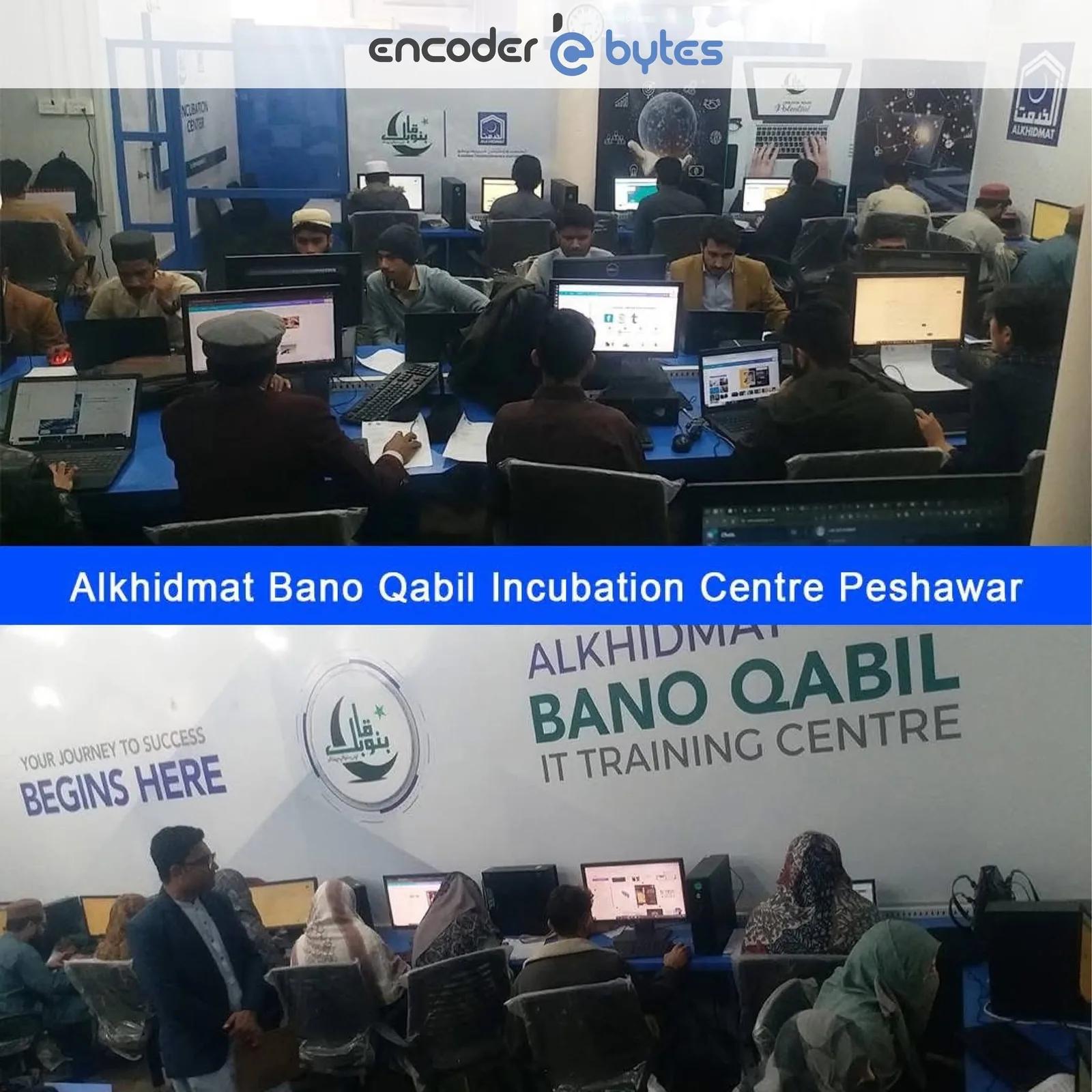
Some of the most valuable technology training in Pakistan is funded by government bodies and foundations and is free or heavily subsidised for trainees. Yet many people who would benefit do not know how these programmes work. As a delivery partner to several of them, we see the process from the inside. This is a plain guide for prospective trainees and for organisations considering partnership.
Who funds and who delivers
Most programmes have two layers. A funding or regulating body sets the goals, the trades and the standards. Examples include the National Vocational and Technical Training Commission (NAVTTC) at federal level and Technical Education and Vocational Training Authorities (TEVTA) in the provinces. Foundations and NGOs such as Alkhidmat Foundation, which runs the Bano Qabil programme, and international organisations such as HOPE'87 also fund training.
Delivery partners, which are training providers like us, then run the classes, supply trainers and labs, and report results. Delivery partners are selected and audited, and they are judged on outcomes such as attendance, completion and placement.
What trainees can expect
Programmes usually focus on skills with clear demand: web development, mobile apps, graphic and UI/UX design, data and AI, digital marketing and similar trades. Courses run for weeks to months, with set attendance requirements. Many include assessments and a certificate on completion.
Seats are limited. Applicants usually register through the funding body's announced process, which may include an entry test or interview. Watch the official channels of the programme you are interested in; announcements can be short-notice.
How big these programmes can be
Scale is one of their strengths. The Bano Qabil programme we deliver with Alkhidmat Foundation in Khyber Pakhtunkhwa runs across 25 districts, from Chitral to Dera Ismail Khan, and has trained more than 5,000 people in seven trades. Our NAVTTC and TEVTA cohorts trained 150 people across AI, data science, web, blockchain, mobile and UI/UX in three batches of 50.
What makes a programme succeed
From the delivery side, three things decide whether trainees end up earning. Practical, project-based teaching rather than lectures alone. Trainers who have worked in the industry. And support after the course, through internships, freelancing guidance or employer introductions.
For organisations considering partnership
Funders look for providers with registration and track records they can verify, the capacity to run many batches at once across locations, and honest reporting. Encoder Bytes is registered with SECP, PSEB, KP-ITB, KPPPRA and the Skills Development Council, which is the kind of baseline funders check first.
For trainees
Treat a free seat as seriously as a paid one. Attend every session, build the projects, and use whatever post-training support is offered. The certificate opens the door; the skills you build are what get you through it.