Half of Khyber Pakhtunkhwa Is Under 30. We've Spent Six Years Finding Out What Training Actually Works
Mian Jawad Ahmad · · 3 min read
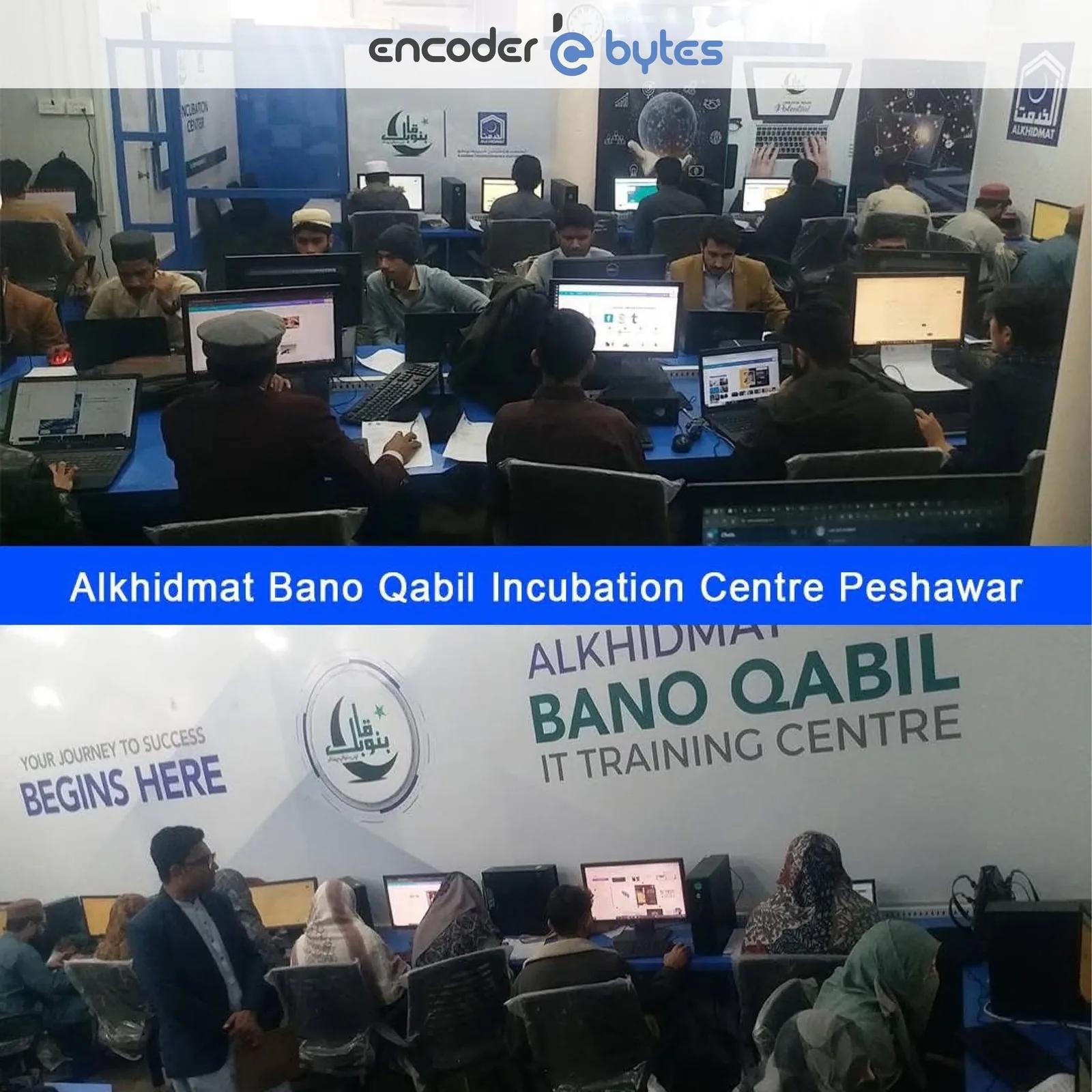
The World Bank has run the Digital Youth Summit in Khyber Pakhtunkhwa every year since 2014, in a province where 50% of the population is 30 or younger and which carries Pakistan's highest unemployment rate. The programme's stated aim is 75,000 technology jobs.
We have been delivering training in that province since 2020, and the gap between a completed course and an actual job is where nearly all the difficulty sits.
The number that gets quoted, and the number that matters
Training programmes are usually measured by enrolment. Enrolment is easy to grow and tells you very little. A programme can train a thousand people and change nothing.
The number worth reporting is what happened afterwards. Under the HOPE'87 Fighting the Impacts of COVID-19 in Pakistan project, we trained more than 400 people and recorded a placement rate above 70%. Under CPSE-1, working with 60 Afghan refugees in graphic design, we reached 85% against a 60% target.
We are also clear about the composition: 55% of enrolment on the HOPE'87 programmes was women, and 70% were Afghan refugees. Those are the groups for whom placement is hardest, which is precisely why the placement figure means something.
Three things we got wrong first
Curriculum length is not the variable. Our early instinct was that longer courses produce better outcomes. They do not, past a point. What changes outcomes is what happens in the month after the course ends, when a trainee has skills, no portfolio, no professional network, and no idea how to price their work. We now run a month of structured incubation after training. More than 350 people have gone through it.
Teaching a framework is not teaching a job. A trainee who can build a screen in Flutter is not employable. A trainee who can take a vague requirement, ask the three questions that clarify it, build the screen, and explain their decisions is. The second is much harder to teach and it is the difference between a certificate and an income.
Geography is a real constraint, not an excuse. Running training in Peshawar and expecting attendance from Bannu or Dir does not work. Bano Qabil, which we deliver as technical partner with Alkhidmat Foundation, now runs across 25 districts of Khyber Pakhtunkhwa, from Upper Chitral to D.I. Khan. Reaching people where they live changed completion rates more than any curriculum revision we made.
What the World Bank data implies for employers
If half the province is under 30 and the unemployment rate is the country's highest, an employer's constraint is not the supply of people. It is the supply of people who are ready on day one.
That is an argument for being involved earlier. The organisations that get the best hires out of programmes like these are the ones that turn up during the training: setting a project brief, reviewing work, sending an engineer to sit in for an afternoon. It costs very little and it means you are hiring someone whose work you have already seen.
We have run this with the Pakistan Software Export Board across six batches and 55 interns, and with the KP IT Board across four. The pattern holds. Employers who engage during training hire better than employers who read CVs afterwards.
What we still have not solved
Retention in the first year is difficult. Someone trained from a low income base, placed into their first technical role, is often supporting a household on that salary and will move for a modest increase. We do not think this is a flaw in the trainee. It is a rational response to their circumstances, and any programme claiming otherwise is not being straight with you.
The honest position is that training moves people into the industry. Keeping them in a particular job is the employer's work, not the trainer's.
Sources: World Bank Digital Youth Summit, Khyber Pakhtunkhwa; Encoder Bytes delivery record with HOPE'87, Alkhidmat Foundation, PSEB and KP-ITB.